As projects move towards implementation and closure, one question becomes increasingly important: how can we ensure that their results live on beyond the funding period? To answer this, the Interreg North-West Europe Programme brought together project communication managers and lead partners in Brussels for the NWE Communication and Impact Workshop, on 17 September 2026.
The day demonstrated that communication has a key role to play: by making results visible, engaging the right audiences and encouraging the uptake of project outputs, it can help turn project achievements into lasting impact.
With project communication managers centre stage, the workshop offered a space to share their expertise and experiences, learn from one another and explore how communication can inspire, engage and create impact.
Telling stories of change
The day began with participants sharing their project stories, but rather than focusing on activities and deliverables, they were encouraged to look at their project through the change it creates for North-West European territories and citizens.
This perspective set the tone for the day: effective communication is not just about showing what a project delivers, but explaining why it matters and what difference it can make.
Engaging audiences for uptake
The workshop then turned to a key challenge: how to reach and engage target audiences to support the uptake of project outputs.
Participants explored communication approaches for four main groups: public authorities, policymakers, citizens and businesses. Through interactive exercises and discussion, they considered how communication can address barriers such as lack of knowledge or trust. Several practical ideas emerged from the discussions:
- Make communication a shared responsibility by encouraging all project partners to actively communicate and extend the project's reach.
- Start small when engaging citizens: rather than trying to reach large audiences straight away, focus on convincing a few motivated individuals who can act as ambassadors and help spread the word.
- Give policymakers an active role at project events to encourage their participation and strengthen their involvement.
The message was clear: successful communication is not necessarily about reaching the largest possible number of people. It is about reaching the right people and creating opportunities for them to use and build on project results.
Creating impact with communication
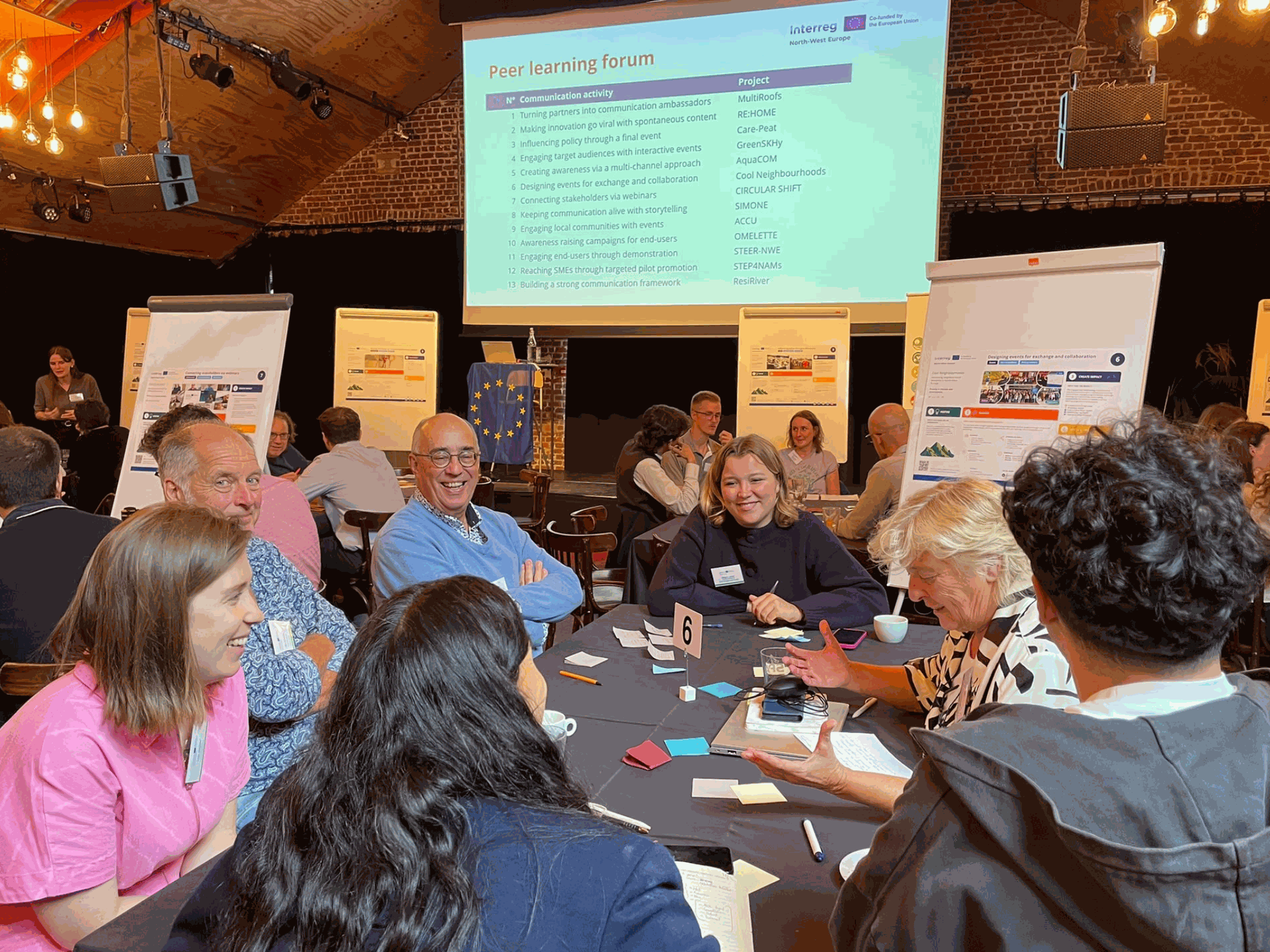
The afternoon focused on peer learning, putting the spotlight on 13 projects and their communication practices. From internal communication to social media campaigns and final events, this session gave participants the opportunity to discover approaches that worked for other projects, exchange practical advice and reflect on how these ideas could be applied in their own communication activities.
To capture these experiences, presenters also completed a good practice canvas, providing a practical overview of the approaches shared during the workshop.
Looking ahead
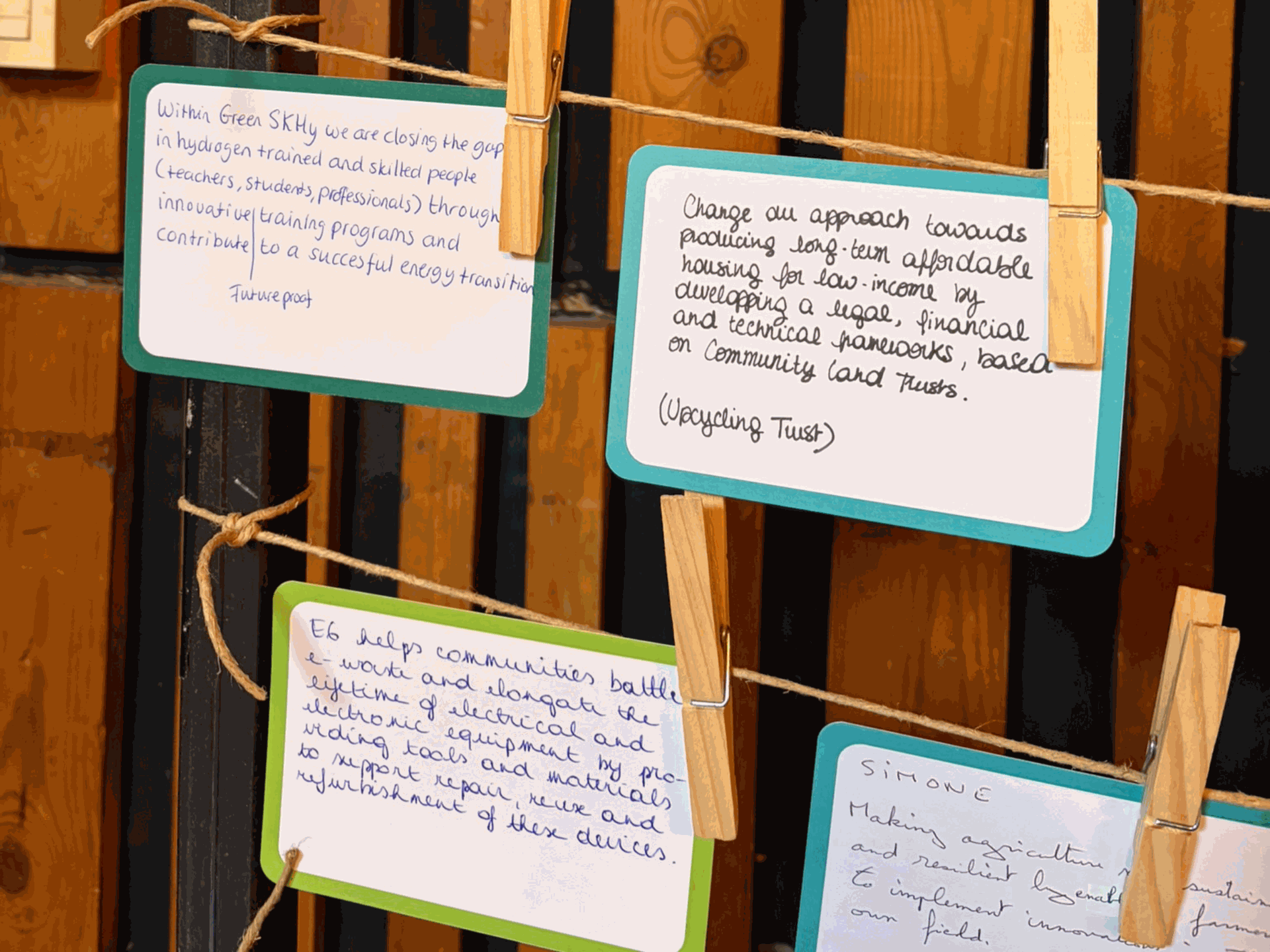
The workshop also created an opportunity to look beyond the day itself. A “suggestion box” invited participants to share ideas for the future programming period and ways the Programme could further support project communication. Contributions from participants highlighted several areas for the Programme to consider:
- More opportunities for peer learning and exchange, through workshops similar to this one, including deeper discussions on communication challenges.
- More opportunities to share good practices across NWE projects, on communication and beyond, including lessons learned from projects that have already closed.
- Thematic sessions bringing together projects working on similar topics.
- Practical communication resources, including a wider range of templates and guidance on organising project events and workshops.
- Support projects in communicating more effectively at the local level.
Among others, these suggestions provide valuable input for shaping future activities and ensuring that the Programme continues to respond to the needs of projects and their communication experts.
With over 120 participants and 70 projects represented, the strong attendance and interest generated by the NWE Communication and Impact Workshop highlighted the growing recognition of communication as an essential part of Interreg projects. From telling stronger project stories to identifying the audiences that can drive change, the discussions throughout the day reinforced one central message:
Communication is not an activity that comes at the end of a project. It is part of how projects create impact.