In August 2026, Belgium experienced a wildfire on a scale it had never seen.
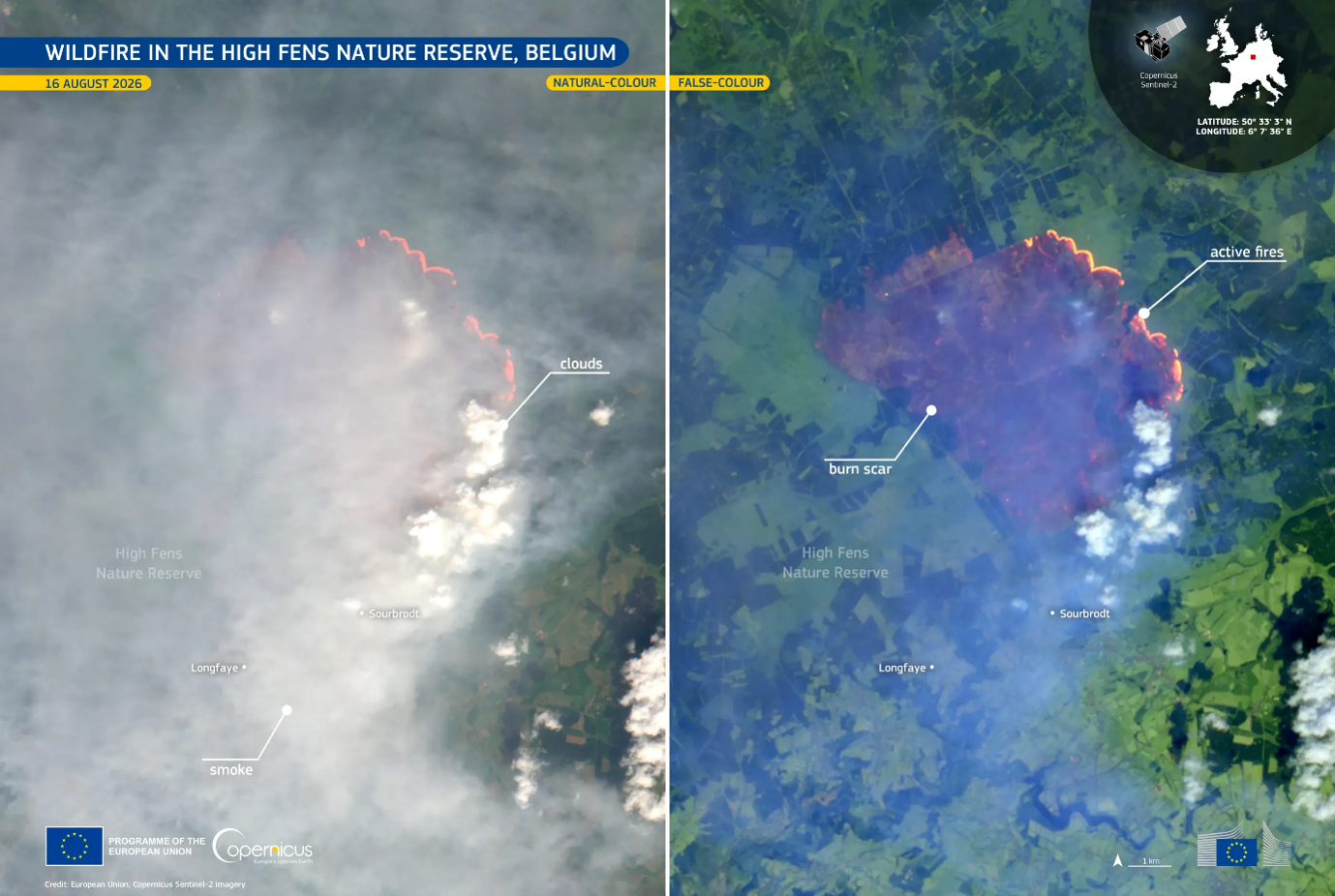
Wildfires are one of the most visible signs of climate change. But for Europe’s forests, the threat extends far beyond flames. Longer droughts, more frequent and intense heatwaves and other phenomena represent a major threat to forest ecosystems. Currently, 60% of them are covered with the most sensitive tree species like beech, spruce, and oak and their decline is already being observed.
This is the challenge at the heart of the MigFoRest project, looking into a better anticipation of climate change consequences and an improved resilience of the forest ecosystem through assisted migration.
What is assisted migration?
Tree seeds move naturally through wind and animal dispersal. Currently, climate change is progressing at such a high rate that tree species are struggling to adapt effectively. Foresters can imitate nature and accelerate its work by facilitating tree migration. This practice is referred to as assisted migration.
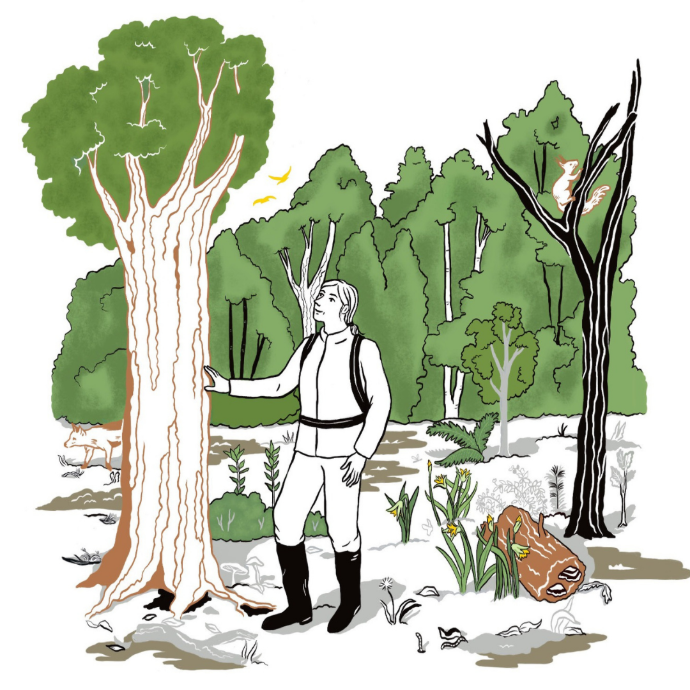
Within the framework of MigFoRest, two forms of assisted migration are being tested.
The first focuses on strengthening existing local tree species with tougher genes and is called assisted gene flow, while the second, also known as assisted range expansion, introduces neighbouring species to new regions.
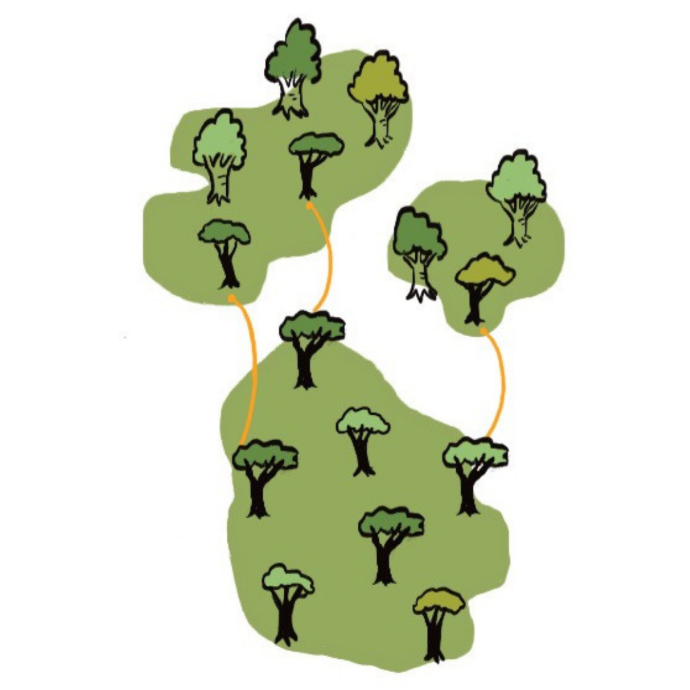
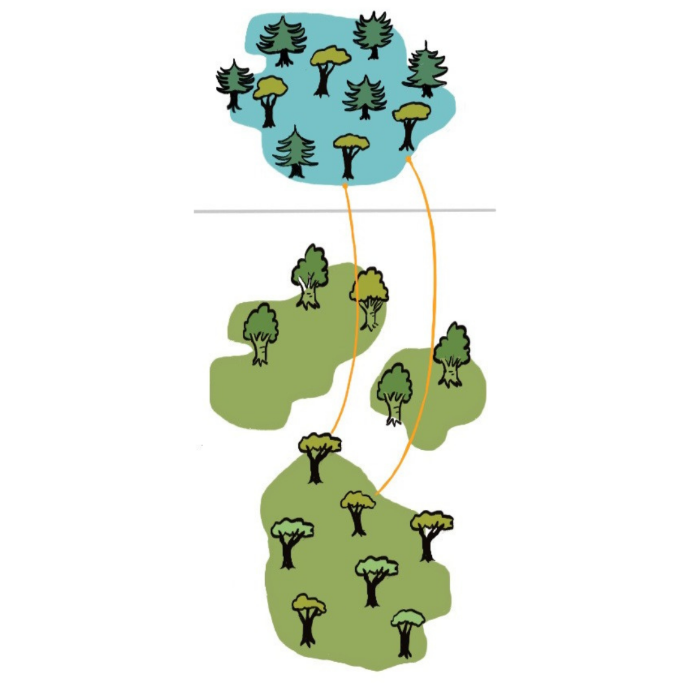
© Nina Pelé
The multidisciplinary partnership lead by Royal Forestry Society of Belgium (SRFB) has worked to select 7 pilot areas where assisted migration will be deployed. Aiming at planting a total of 100 ,000 trees spread across Belgium, France and Germany, the project seeks to demonstrate that assisted migration can be valuable when applied responsibly and looks forward to developing a common strategy for implementing assisted migration in North-West Europe.
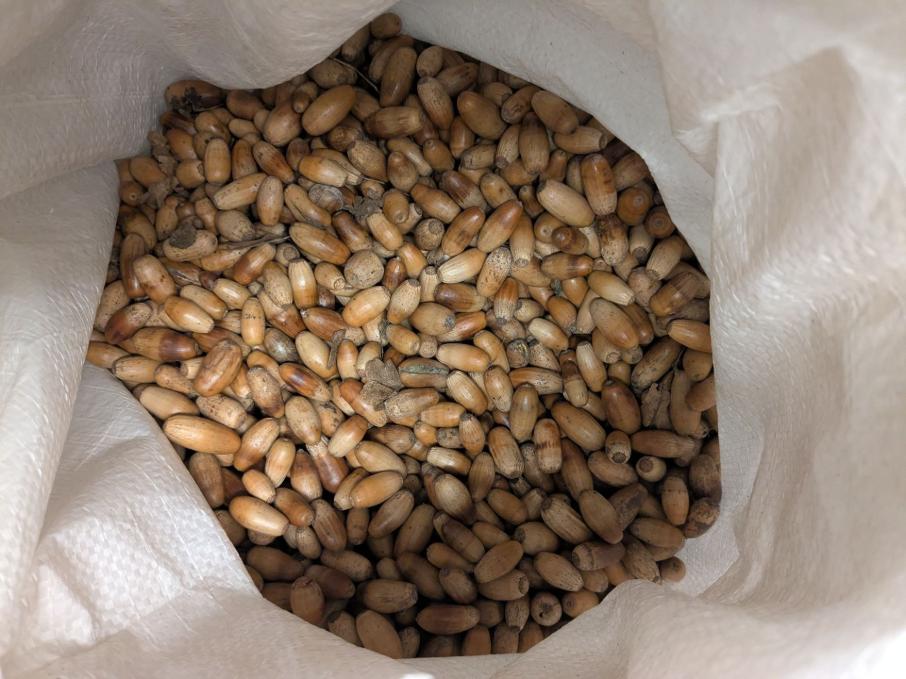
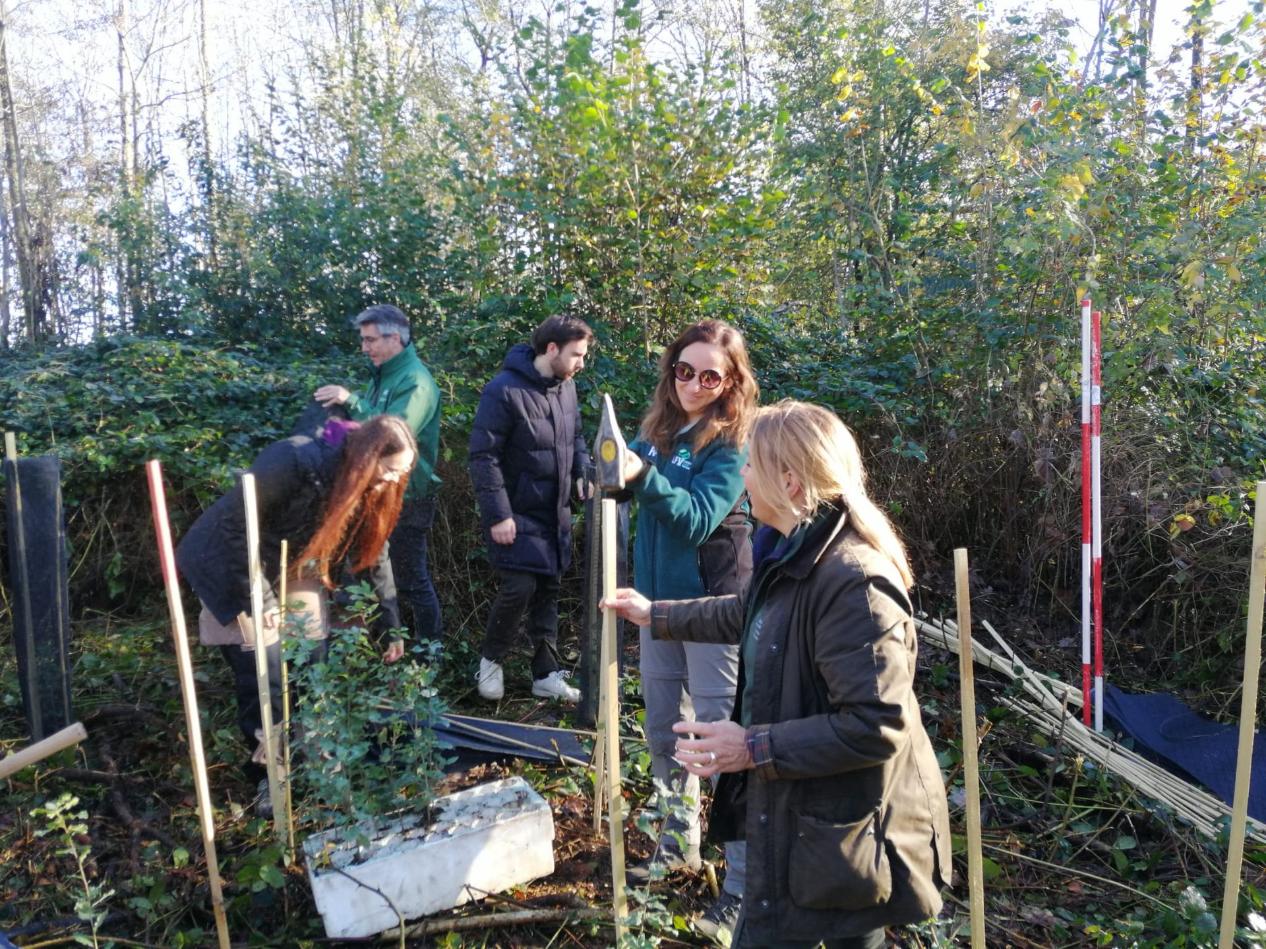

As Olivier Fabes from Royal Forestry Society of Belgium (SRFB) puts it:
When we bring in more resilience and genetic diversification, it is the best way to increase the resilience of the forest. Weakened trees will burn more easily so if our forests are healthier, when faced with the threat of wildfires, we can guarantee a better outcome.
MigFoRest key figures:
- 6 partners
- 3 countries: France, Belgium, Germany
- Cooperating from 2023 to 2028
- Budget: €7M