From field to fabric, hemp’s journey is one of resilience and creativity. Growers cultivate this sustainable yet demanding crop, while artisans and brands unlock its textile potential. Every step, from farming to weaving, demands innovation: refining techniques, adapting machinery, and pioneering new methods.
The Hemp4Circularity project, backed by Interreg North-West Europe, is leading the revival of long hemp fibre in Europe’s textile sector. Over three years, 11 partners from Belgium, France, the Netherlands, and Germany have cooperated to optimise the entire value chain: cultivating hemp, processing it into high-quality textiles, until the recycling step.
By tackling challenges like fibre quality, spinning efficiency, and market-fit products, the project has aimed to bridge the needs of farmers, the flax industry, and brands. The result? A circular system where hemp offers farmers a profitable, eco-friendly crop, expands sustainable options for manufacturers, and delivers locally sourced materials to consumers.
Discover below the journey of hemp, from cultivation to the market, and learn more on how Hemp4Circularity has helped make this journey more local, sustainable and circular.
Cultivation - From seed to straw
Hemp grows fast and strong, naturally outcompeting weeds and resisting pests - so farmers need fewer chemicals to cultivate it. Its deep roots even improve the soil, making it a smart choice for crop rotations.
As Valentine Donck, project coordinator of Hemp4Circularity for Valbiom, explains “Hemp has many agronomic advantages. It is a plant that does not require any phytosanitary products. Hemp suppresses weed so there is no need to apply herbicides.”
But hemp isn’t just for textiles: its seeds and fibres feed into food, cosmetics, and bio-materials, offering farmers multiple ways to profit.
One of the biggest breakthroughs has been the development of modern, mechanised
harvesters, refined through the Hemp4Circularity project. These machines
now efficiently gather high-quality long fibres, turning hemp into a reliable
resource for industry.
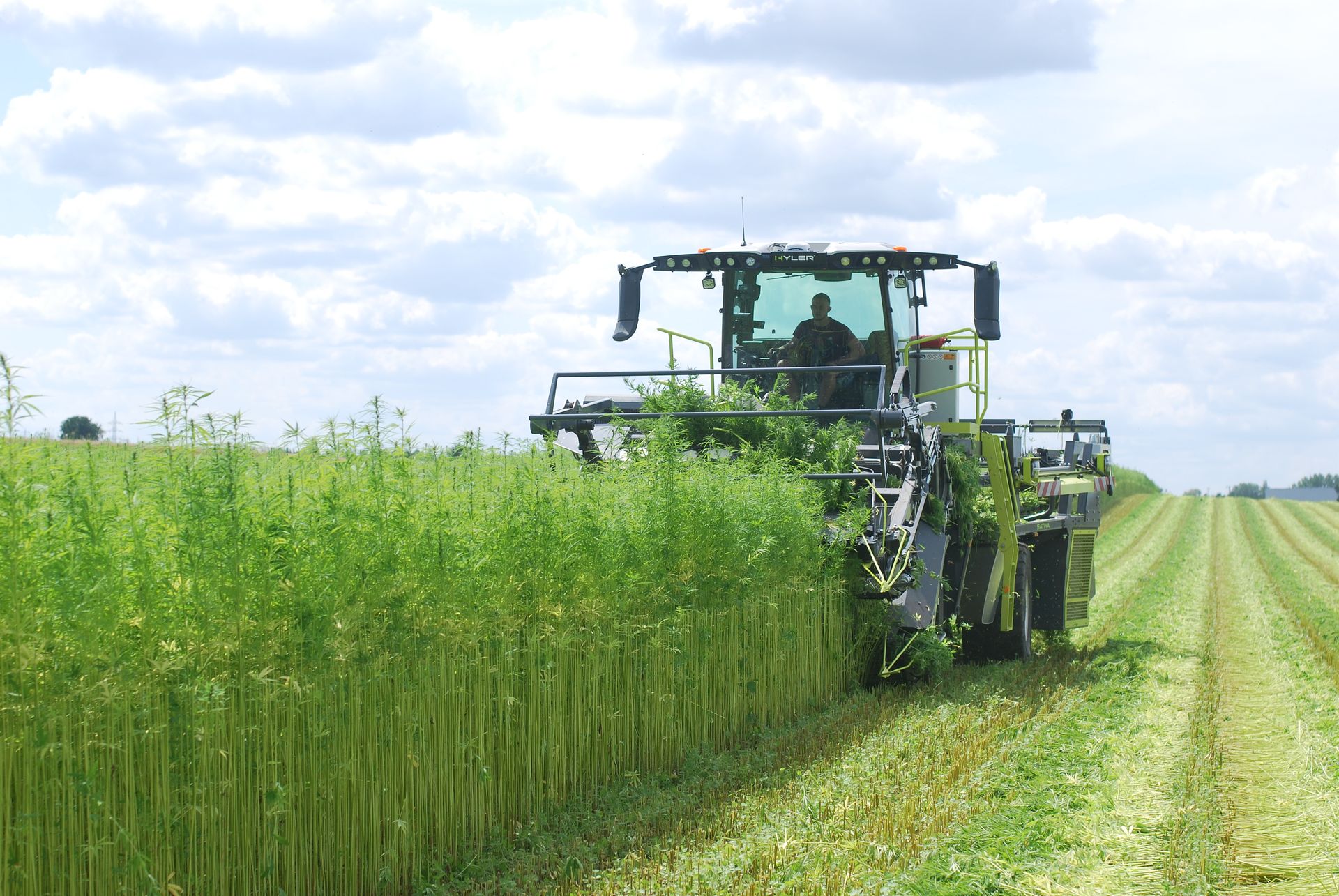 Photo ©Hemp4Circularity project
Maturing hemp straw – the science of retting
After harvest, hemp stems are left in the field to “rett”: a maturing process where naturally occurring micro-organisms gently separate the fibres from the woody core.
Through trials across four regions in the Netherlands, Belgium (both Wallonia and Flanders) and Germany Hemp4Circularity’s partners tested different hemp varieties and retting conditions, uncovering the secrets to consistently producing strong, high-quality fibres.
Sophie Waegebaert, from project partner INAGRO, explains that these trials helped the project partners "learn how the crop behaves across different seasons and weather, especially rain, conditions.” She emphasizes that the work shouldn’t stop here, adding: "It will be interesting to conduct further tests in the coming year to understand this on a larger scale."
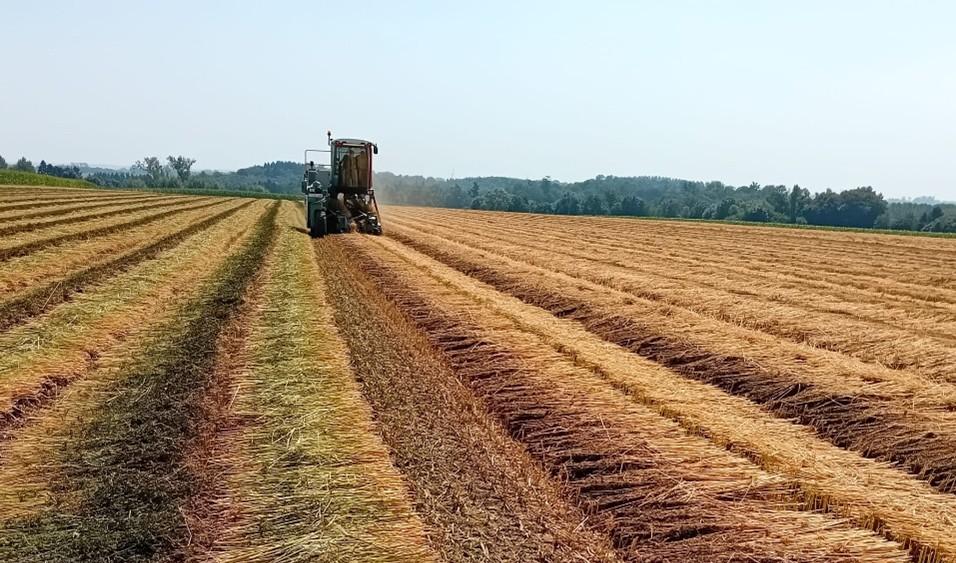 Photo ©Hemp4Circularity project
Scutching - From straw to fibre
Scutching is the next important step after retting hemp. At this stage, hemp stalks still contain both fibres and woody core (shives). Scutching uses machines to break and remove the woody parts, leaving behind the long, valuable fibres used for textiles.
While the process is similar to flax scutching, hemp requires slower and more careful processing because of differences in fire structure.
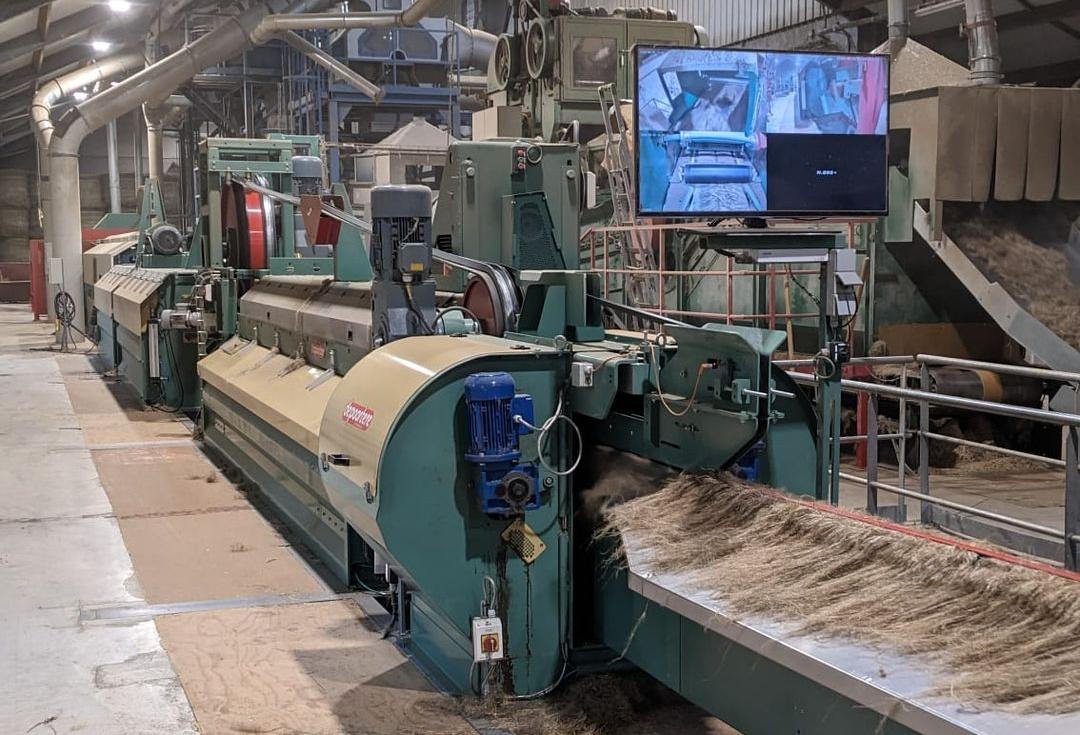 Photo ©Hemp4Circularity project
Spinning - From fibre to yarn
At the spinning mill, raw hemp fibres go through a careful process to become soft, usable yarn. First, the raw hemp fibres are cleaned and straightened into soft strips.
These strips are gently twisted, washed to make them softer, and spun into yarns of different thicknesses, ready to be woven into fabric.
Hemp4Circularity project partners worked on refining each step of this process. In particular, they developed a new classification system for hemp fibres and improved fibre processing. They successfully produced two types of hemp yarn - a thicker and a finer version - both available in natural and bleached forms.
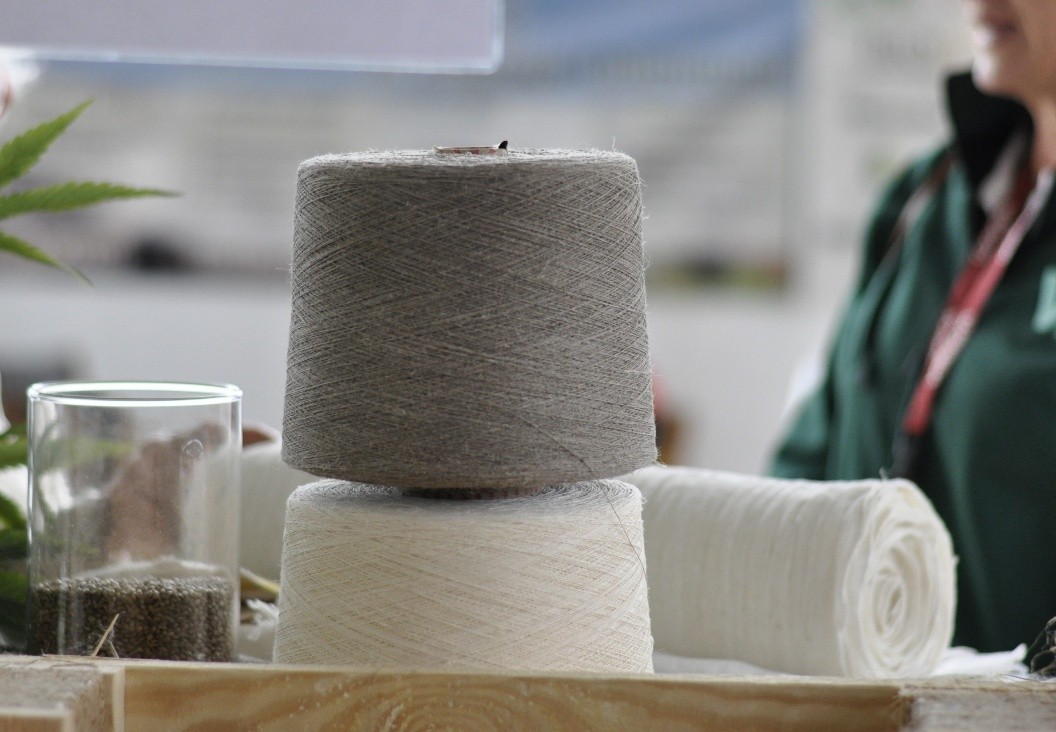 Photo ©Hemp4Circularity project
Weaving, knitting and finishing - From yarn to fabric
Turning hemp yarn into fabric requires precision: humidity must be controlled, and every stitch carefully chosen to bring out the best of the yarn. Its strong, textured fibres are woven or knit before being dyed, washed, or softened to refine their natural character.
Tested in both artisan workshops and industrial mills during the Hemp4Circularity project, the process blends tradition with innovation.
Hemp isn’t easy to work with: its fibres don’t behave or shape easily during processing, and its texture stands out.
But designers and craftspeople appreciate its "rebellious" side, turning its raw, natural feel into fabrics with character: soft, worn looks, interesting textures, and a classic style.
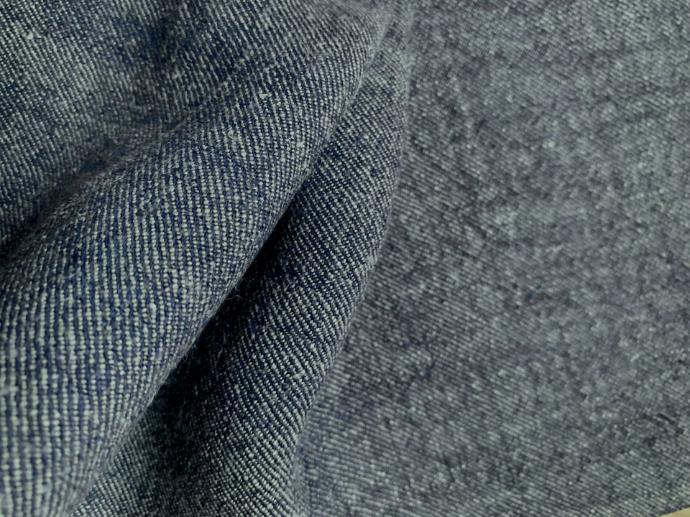 Photo ©Hemp4Circularity project
Markets and “Territories of Expression” - From fabric to market
Hemp’s diverse applications demand a distinct identity and market position - not as a linen substitute, but as a material with its own unique character. The Hemp4Circularity project showcases hemp’s potential across a wide range of designs, from durable workwear like twill and denim to softer, everyday fabrics.
As part of the project, a pilot collection was created to explore the possibilities of long-fibre hemp in textiles. These applications demonstrated hemp’s versatility and adaptability, while staying true to its sustainable characteristics. As mentioned by Olivier Guillaume, project partner from LIBECO “More ambitious designs that we could not imagine at the start of the Hemp4Citrcularity project have emerged, which we consider as a real success”.
It also confirmed textile hemp’s ability to become a credible local fibre, compatible with existing infrastructures and capable of delivering distinctive, high-quality and circular textiles.
Thanks to the activities of the Hemp4Circularity project, significant progress has been made in improving the different phases of the hemp journey.
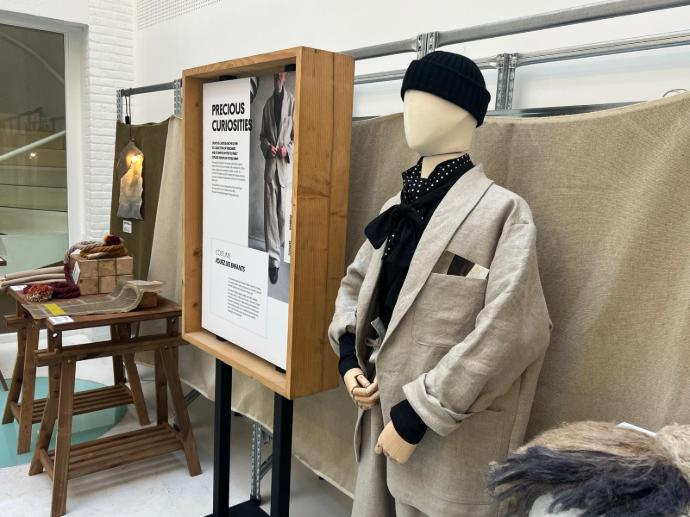 Photo ©Hemp4Circularity project
"The real key to the project’s success was the intense collaboration among stakeholders across the entire value chain."
Valentine Donck, Valbiom
Key figures:
- 11 partners
- 4 countries: Belgium, France, Germany, the Netherlands
- Cooperating from 2023 to 2026
- Budget: € 3.8M